Opening a salon in Dubai involves more than a trade licence and a nice interior. Salons are regulated as public health businesses, so the layout, finishes, equipment, sterilisation and even the products on the shelves are checked before you open and inspected afterwards. Getting the design right at the start is what keeps the opening date.
This guide explains how salon approval works in Dubai: which authorities are involved, the design and health requirements that shape the fit-out, product registration, inspections, and how the process differs between the mainland and free zones such as Trakhees areas. It covers ladies and gents salons, beauty centres and nail bars.
For end-to-end help, see our Dubai Municipality approval services.
The short answer
A salon needs a trade licence for the activity, a fit-out approval from the building's authority, and health approval of the layout and operation from the public health regulator: Dubai Municipality on the mainland, or the zone's authority elsewhere, such as Trakhees EHS in PCFC areas. Civil Defence approves fire and life safety, and DEWA approves any load increase. Cosmetic and personal care products sold or used must meet Dubai Municipality's consumer product safety requirements, including registration where required. After opening, the salon is inspected for hygiene, sterilisation, staff health and product compliance.
The approvals involved
- Trade licence for the salon activity from the Department of Economy and Tourism or the free zone.
- Landlord NOC for the fit-out.
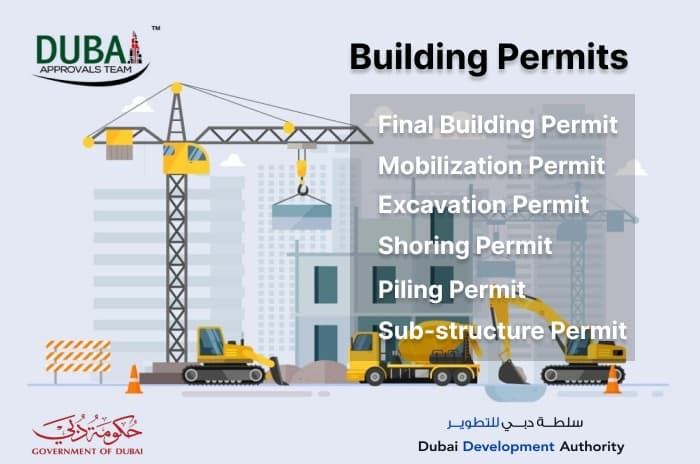
- Fit-out approval from Dubai Municipality, DDA, Trakhees or the relevant authority.
- Public health approval of the layout and services.
- Civil Defence approval and inspection.
- DEWA approval where the load increases.
- Pre-opening inspection, then ongoing inspections.
If you're not sure which authority covers your unit, see which authority approves your project.
Design requirements that shape a salon fit-out
Layout and zoning
- Reception and waiting area separate from treatment areas.
- Defined zones for hair, nails, facials and other services.
- Private rooms for treatments that need privacy.
- A separate sterilisation and cleaning area for tools.
- Staff area with lockers, separate from customer areas.
- Storage for products, linen and chemicals, kept apart.
Finishes
- Floors that are smooth, non-slip and easy to clean, especially around wash stations.
- Washable walls in wet and treatment areas.
- Work surfaces and furniture that can be disinfected.
Water and washing
- Hair wash basins with hot and cold water.
- Hand wash basins for staff in service areas.
- A dedicated sink for cleaning tools, separate from hand washing.
- A mop sink in a cleaning store.
Ventilation
Salons use chemicals such as hair colour, nail products and solvents. Good fresh air supply and local extraction, especially at nail stations, protect staff and customers. Ventilation is a frequent inspection point and is easier to design in than to retrofit.
Toilets
Customer and staff toilets should not open directly into treatment areas. Where customer toilets are provided, consider accessibility.
Sterilisation and hygiene
Health authorities focus heavily on how tools are cleaned and sterilised:
- Single-use items for anything that cannot be sterilised.
- A defined process for cleaning, disinfecting and sterilising reusable tools.
- Sterilisation equipment suited to the tools used, with records.
- Clean and dirty tool storage kept separate.
- Clean linen and used linen kept apart.
The sterilisation area should appear on the layout with its sink, equipment and storage. Reviewers look for it.
Keep the sterilisation area close to the service zones but out of customer view, so staff don't carry used tools through the reception or waiting area. A short, direct route from each service station to the sterilisation sink is also one of the things inspectors look at when they assess whether the process works in practice.
Products and cosmetics
Dubai Municipality regulates the safety of cosmetic and personal care products. Products used or sold in the salon must comply with its consumer product safety requirements, including registration where it applies. Buy from suppliers who can show compliance, keep records of what you use, and avoid unregistered products. Inspections check labels and records.
Staff requirements
- Staff health certificates and any training required by the health regulator.
- Clean uniforms and personal hygiene standards.
- Training on sterilisation, hygiene and chemical safety.
Salons in Trakhees areas
In PCFC areas, Trakhees EHS applies its own health guidelines. Its ladies salon health guideline, for example, sets requirements for layout, finishes, washing facilities, sterilisation, ventilation and operation, and the design is checked before the fit-out and inspected before opening. Our Trakhees EHS approval guide explains how EHS works.
Fire safety and utilities
Salons use electrical equipment such as hair dryers, straighteners and steamers, so the electrical design must match the load. Civil Defence reviews detection, sprinklers, exits and signage for the new layout, and inspects before opening. See our DCD approval process guide. Where the load exceeds the unit's allocation, a DEWA application is needed; see our DEWA approval guide.
Common reasons salon approvals are delayed
- No sterilisation area on the layout.
- Hand wash and tool sinks combined or missing.
- Poor ventilation at nail and colour stations.
- Toilets opening into treatment areas.
- Unregistered or unlabelled products found at inspection.
- Fit-out started before approvals were in place.
Planning the salon by service type
Each service brings its own design points, so plan the layout around the service list:
- Hair: wash basins with good drainage and hair traps, styling stations with enough power outlets, and a colour mixing area with extraction.
- Nails: stations with local extraction, cleanable surfaces and storage for solvents away from heat sources. Pedicure stations need water supply, drainage and a cleaning routine between customers.
- Facials and skin care: private rooms with a basin, cleanable couches and storage for clean linen.
- Waxing and threading: single-use consumables and a clear process for disposal.
- Massage: private rooms with a basin and a separate licence or approval where the activity requires it.
Advanced treatments that use medical devices, injectables or lasers are generally regulated as healthcare, not as salon services. They need the health authority's facility and professional licences. Our guide on clinic approval in Dubai covers that route.
A step-by-step timeline
- Confirm the activity and location, including which authority regulates the unit.
- Get the landlord's fit-out manual and NOC.
- Design the layout around the service list, with sterilisation, washing and ventilation shown.
- Submit for health and fit-out approvals, with Civil Defence drawings in parallel.
- Build to the approved drawings.
- Install equipment and set up sterilisation and product records.
- Pre-opening inspections by the health regulator and Civil Defence.
- Open, then keep records ready for routine inspections.
Running health and fit-out reviews in parallel usually saves the most time. Starting construction before the layout is approved is the most common cause of rework.
Ongoing compliance after opening
Approval is not a one-off. Keep sterilisation logs, product invoices, staff health certificates and cleaning schedules up to date. Any change to services, layout or ownership may need a new approval. Moving a nail bar into a former storage room, for example, changes the ventilation and layout that were approved.
Mainland vs free zone vs mall: what changes
- Mainland street-front units: Dubai Municipality handles the fit-out and public health side, and the licence comes from the Department of Economy and Tourism. Signage needs its own permit.
- Mall units: the mall's fit-out team reviews the design first and often sets stricter rules on finishes, signage, working hours and exhaust. Its approval comes before the authority submissions.
- Free zones and special areas: the zone's authority replaces some mainland steps. In PCFC areas, Trakhees handles the fit-out and EHS health approval. In DDA or DMCC communities, their own fit-out processes apply, with Civil Defence alongside.
- Home-based or mobile services: these follow separate licensing rules and are outside the scope of a salon fit-out approval.
Budgeting for approvals
Approval costs for a salon are usually small compared with the fit-out, but the time they take matters more. Budget for authority fees, the consultant's design and submission work, Civil Defence contractor certificates, any DEWA application and the landlord's fit-out deposit. The biggest avoidable cost is rework: moving sinks, adding extraction or rebuilding a sterilisation area after an inspection. A complete layout reviewed before construction removes most of that risk.
A salon layout checklist
- List every service you will offer.
- Zone reception, services, sterilisation, staff and storage.
- Show hand wash, tool washing and hair wash basins separately.
- Add extraction at nail and colour areas.
- Keep toilets away from treatment areas.
- Plan electrical circuits for the equipment load.
- Choose cleanable finishes for every wet and treatment area.
Frequently asked questions
Who approves a salon in Dubai?
The licensing authority, the building authority for the fit-out, the public health regulator, Civil Defence and DEWA where needed.
Is the process different in free zones?
Yes. In PCFC areas, Trakhees EHS applies its own health guidelines, such as the ladies salon health guideline.
Do salon products need registration?
Cosmetic and personal care products must meet Dubai Municipality's consumer product safety requirements, including registration where required.
What do inspectors check most?
Sterilisation, hand washing, ventilation, products and staff hygiene.
Do I need a separate sterilisation area?
Yes. It should be shown on the layout, with its sink and equipment.
Can I start the fit-out before approval?
It is risky. Changes required by the health review can mean rework.
Opening a salon?
Send us your unit details and service list. We will design a compliant layout and manage the approvals. You can contact our team here.